
24, mar
Understanding the roots of gambling addiction a comprehensive guide to recovery
Understanding the roots of gambling addiction a comprehensive guide to recovery
The Historical Context of Gambling
Gambling has existed in various forms for centuries, evolving alongside human culture and society. From ancient civilizations that bet on dice games to the establishment of modern casinos, the historical context provides insight into why gambling holds such allure. Different societies have approached gambling with various attitudes, reflecting broader cultural values and social norms. At winspirit-casino.games, players can explore this rich legacy while enjoying a contemporary gaming experience.
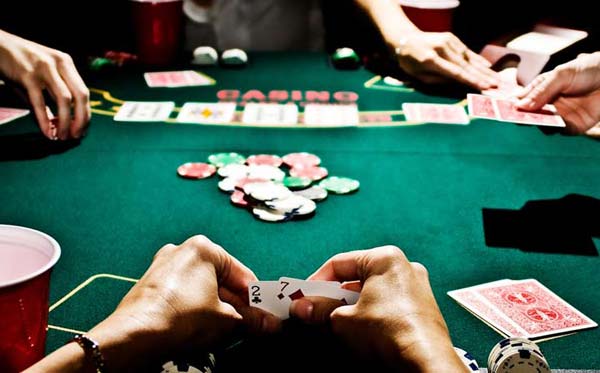
Historically, gambling often served as a form of entertainment and a means of socialization. However, as its popularity grew, so too did the potential for addiction. Understanding these historical roots can help us appreciate the complex relationship many individuals have with gambling today and highlight the importance of awareness and education in addressing gambling addiction.
The Psychological Factors Behind Gambling Addiction
Gambling addiction is not just about the activity itself; it often stems from deep-seated psychological issues. Many individuals gamble as a means to escape from stress, anxiety, or depression. The thrill of winning can trigger a dopamine response in the brain, creating a cycle of seeking that high, which can lead to compulsive behavior over time.
Furthermore, cognitive distortions, such as the belief in luck or a “hot streak,” can exacerbate the problem. Many gamblers misinterpret losses as temporary setbacks rather than consequences of their behavior, making it challenging to recognize when gambling becomes problematic. Understanding these psychological factors is crucial for effective recovery strategies.
Signs and Symptoms of Gambling Addiction
Recognizing the signs of gambling addiction is vital for early intervention. Common symptoms include an inability to stop gambling despite negative consequences, preoccupation with gambling activities, and neglecting personal and professional responsibilities. As the addiction worsens, individuals may lie about their gambling habits or even resort to illegal activities to fund their gambling.
Moreover, emotional symptoms such as guilt, anxiety, and depression can manifest, creating a vicious cycle that perpetuates the addiction. Identifying these signs early can help friends and family support their loved ones in seeking the help they need.
Steps Towards Recovery
Recovering from gambling addiction is a multi-faceted process that often requires a combination of self-help strategies, professional treatment, and support networks. First, acknowledging the problem is a critical step. Many individuals find success in support groups, such as Gamblers Anonymous, where they can share their experiences and find encouragement from others who understand their struggles.
Professional treatment options, including therapy and counseling, can also be beneficial. Cognitive Behavioral Therapy (CBT) is particularly effective in helping individuals reframe their thinking patterns and develop healthier coping mechanisms. Recovery is a journey, often requiring ongoing commitment and support, but it is entirely achievable with the right resources.

Why Seek Help Through Online Resources
As the digital age continues to evolve, online resources have become vital in the recovery journey for those struggling with gambling addiction. Websites dedicated to gambling education provide access to information, support networks, and professional guidance, making it easier for individuals to seek help discreetly and comfortably.
Moreover, platforms offering community support and forums can help those in recovery connect with others, share experiences, and gain encouragement. Utilizing these online resources can empower individuals on their path to recovery, making the process more accessible and less isolating.