
25, mar
Gambling themes in classic literature and modern cinema
Gambling themes in classic literature and modern cinema
Exploring Gambling in Classic Literature
Gambling has long been a captivating theme in classic literature, often used to explore human nature, morality, and the consequences of vice. Novels such as Fyodor Dostoevsky’s “The Gambler” delve into the psychological struggles of addiction, illustrating how gambling can lead to both ruin and redemption. Characters are frequently portrayed as grappling with their desires and moral dilemmas, providing readers with a profound understanding of the human condition. For example, players often find themselves drawn to online platforms like https://hellspincasino-online.com/ as they seek a modern thrill.

Similarly, in Shakespeare’s works, such as “Othello,” gambling serves as a metaphor for chance and fate. The high stakes of life and love are reflected in the act of betting, where fortunes can be won or lost in an instant. This intertwining of gambling with deeper themes resonates throughout classic literature, showcasing how it mirrors the unpredictability of life itself.
Gambling in Modern Cinema
Modern cinema has embraced gambling as a central theme, often portraying it as both a thrilling adventure and a perilous trap. Films like “Casino Royale” and “21” depict the glamorous and high-stakes world of gambling, capturing audiences with the adrenaline rush of risk-taking. These narratives often highlight the allure of wealth and the moral complexities faced by characters who gamble for power and prestige.
Moreover, movies such as “Rounders” and “The Hangover” illustrate the social dynamics surrounding gambling, from camaraderie to betrayal. The dramatic tension and character development fueled by gambling scenarios serve not only to entertain but also to provoke thought about the nature of chance, luck, and human ambition.
The Psychological Impact of Gambling
The psychological ramifications of gambling are a critical aspect explored in both classic literature and modern cinema. Literature frequently portrays the internal battles characters face as they succumb to the thrill of betting, which can lead to destructive behaviors and the deterioration of relationships. Dostoevsky’s characters often illustrate this struggle, reflecting the duality of desire and despair.
In cinema, these themes are similarly addressed, as characters navigate the fine line between excitement and addiction. The portrayal of compulsive gambling can serve as a cautionary tale, highlighting the need for awareness and understanding of gambling-related issues. Both mediums provide a lens through which audiences can examine the darker side of gambling, sparking discussions on its societal implications.
Gambling as a Cultural Reflection
Gambling serves as a mirror of societal values and cultural norms, reflecting the complexities of human nature across different eras. In classic literature, it often critiques social hierarchies and the moral implications of wealth, power, and status. Authors use gambling as a device to challenge the societal structures of their time, inviting readers to contemplate their own values and choices.
Modern cinema continues this exploration, presenting gambling as a cultural phenomenon that captures the zeitgeist of contemporary society. Films often portray the intersection of technology and gambling, showcasing how the rise of online platforms has transformed the gambling landscape. This evolution invites reflection on the changing perceptions of gambling and its role in modern life.
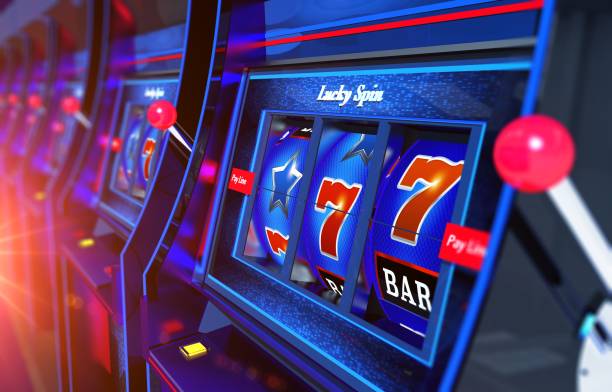
Conclusion: The Thrill of Gambling in Entertainment
The themes of gambling in classic literature and modern cinema provide a rich tapestry of narratives that delve into the human psyche. These artistic expressions invite audiences to engage with complex ideas about chance, morality, and the pursuit of happiness. As gambling remains a prevalent theme, it continues to evoke curiosity and contemplation across different forms of storytelling.
For those interested in the thrill of gambling, exploring these themes through literature and film can enhance the experience. Engaging with the narratives surrounding gambling not only entertains but also enriches our understanding of its implications in society today. Whether in the pages of a book or on the silver screen, the allure of gambling captures the imagination and encourages reflection on our own choices and desires.